


According to analysis by the Asia-Pacific Optical Fiber and Cable Industry Association (APC), the global optical fiber and cable industry is undergoing a fundamental shift defined by the demand for AI computing power. As the next generation of computing infrastructure enters a period of intensive construction both domestically and internationally, a supply squeeze across the entire industry, starting from specialty fibers and extending to standard fibers, has already taken place. The clearest signal of this is that the overall price of the fiber optic market has entered a definitive upward trajectory.
The core driver behind the price increase stems from specific and substantial high-end demand. Overseas, tech giants led by Microsoft have initiated clear deployment plans, announcing they will deploy up to 15,000 kilometers of hollow-core fiber within the next two years to connect their AI data center clusters. This type of construction directly leads to an exponential increase in demand for specialty fibers with low latency and high bandwidth. Their high unit price (which can be dozens of times that of standard fiber) significantly pulls up the market average. APC's analysis and forecasts indicate that the fiber shortage in the North American market is expected to last for three years, which will provide long-term support for fiber optic cable prices.
Domestically, the demand is equally specific and strong. The national "East Data, West Computing" project has entered its full construction phase. Just the long-distance backbone network construction launched in 2025 has generated concentrated procurement demand for over 3 million core kilometers of ultra-low loss fiber (G.654.E). These orders, already converted into contracts, coupled with the wave of intelligent computing center construction across various regions, are directly driving a simultaneous increase in both volume and price in the high-value product market from the demand side.
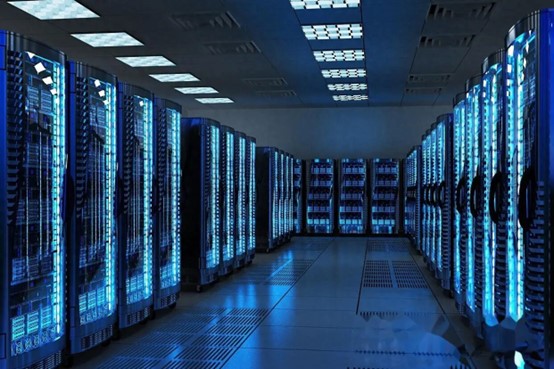
Facing this enormous demand, the supply side cannot respond quickly, forming a rigid bottleneck that supports price increases. A critical chain of capacity squeeze transmission is at play: because AI data centers require extremely high internal connection density, their consumption of multimode fiber is several times or even ten times that of traditional data centers. This forces the global supply chain's core bottleneck – the production capacity of fiber preforms – to prioritize the more profitable specialty fibers.
The direct consequence is a significant squeeze on the raw material supply used for producing standard communication fiber. The expansion cycle for preforms is as long as 2 to 3 years, with very low supply elasticity, making it impossible to quickly alleviate the tight situation. This capacity tension triggered by cutting-edge demand has pushed the industry into a widespread state of supply tight balance. The ultimate result is not only the high prices of specialty fibers, but more importantly, it means that standard fiber has also gained a solid foundation for price increases due to cost-push factors and constrained supply.
In summary, this round of price increases is not a short-term fluctuation. It signifies a fundamental change in the driving logic of the fiber optic industry: shifting from past reliance on the scale expansion of telecom investment cycles to a track led by technological upgrades driven by AI computing demand. Under the combined effect of tangible, top-tier demand and supply constraints that cannot be quickly released, the sustained upward trend in fiber optic market prices will become the new normal.
